
The most meaningful memorial tribute ideas fall into a handful of formats: a short personalized eulogy, a photo or video tribute, a memory table, a living memorial like a tree planting, a durable keepsake, or a donation made in their name. A eulogy works best for a formal service, a memory table fits any gathering size, and a living memorial or donation suit families who want something that lasts well beyond the funeral. The right choice depends less on budget and more on who the person was.
TL;DR:
- Personalized tributes like a specific memory or song are more impactful than generic displays and should reflect what truly characterized the person.
- Attendance can be hybrid, with live streaming and remote contribution options, including video clips, memory cards, or recordings suitable for all ages and comfort levels.
- Keep the tribute manageable by focusing on one well-executed idea, such as a memory table, rather than multiple rushed projects, and verify all logistics and vendor commitments upfront.
- Long-term memorials like trees, benches, or scholarship funds require careful planning, permissions, and reflection of the person's passions or personality.
- Using specific prompts to gather genuine details ensures a tribute feels authentic and memorable, whether in speeches, music, or online memorials.
Table of Contents
- Memorial Tribute Ideas That Actually Get Used
- How Do You Choose the Right Memorial Tribute?
- A Sample Running Order for a Memorial Gathering
- Words and Prompts That Make a Tribute Feel Like Them
- Including Remote Guests, Kids, and Different Grief Styles
- Keepsakes and Gifts That Last Beyond the Funeral
- Cultural and Religious Traditions Worth Knowing
- Choosing Music, Poems, and Readings That Fit
- Sharing and Preserving Memories Online
- What I've Learned Watching Families Plan These
- Giving a Custom Song as a Memorial Tribute
- Sources
- FAQ
Memorial Tribute Ideas That Actually Get Used
Families increasingly want gatherings that reflect who someone actually was, not a generic script. The National Funeral Directors Association has tracked year-over-year growth in demand for personalized memorial services, which tracks with what planners see on the ground: people skip the boilerplate and reach for something specific. Below are twelve ideas that show up again and again in real celebrations of life, each with the logistics and a pitfall worth knowing about before you commit.
1. A short, structured eulogy. A eulogy built around one opening anecdote, a description of who they were, what they gave to others, and a closing image tends to land harder than a long chronological speech. Ideal for a formal service with 20 or more guests. Starter line: "The first time I met my dad's laugh, I was six, and it never got quieter." Pitfall: cramming in every accomplishment instead of picking two or three vivid details.
2. Open-mic remembrance. Instead of one eulogy, guests take turns sharing 60 to 90 second memories. Works well for larger, informal communities like coworkers or extended friend groups. Starter prompt: "Say their name, then finish this sentence: the thing I'll miss most is..." Pitfall: without a time limit, this can run long and lose energy.
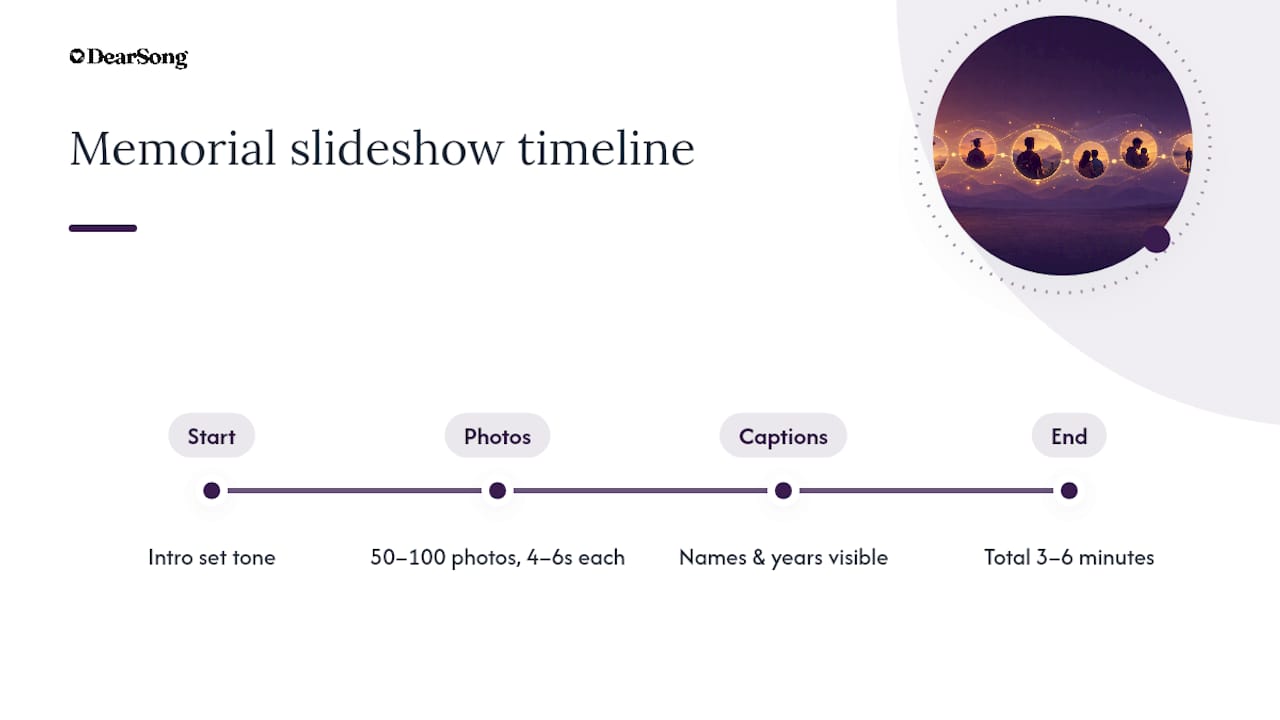
3. Memorial video or photo slideshow. Aim for 3 to 6 minutes using 50 to 100 photos at 4 to 6 seconds each, favoring candid shots over stiff formal portraits. Add captions with names and years so guests who didn't know every relative can follow along. Works for any size event. Pitfall: skipping captions leaves half the room guessing who's in frame.
4. Memory table or display. A table with photos, favorite objects, and a guest book gives people something to do with their hands and eyes before the service starts—consider adding light-up letters for event signage to enhance the display. Programs and memory tables are consistently flagged as low effort, high meaning additions that help orient guests. Fits any gathering. Pitfall: placing it somewhere guests have to search for it kills the effect.
5. Memory jar or memory cards. Guests write a short memory on a card and drop it in a jar, to be read later or compiled into a keepsake book. This format lowers the barrier to participation for people who won't speak publicly, including children and distant acquaintances. Starter prompt: "One thing that always made them laugh was..." Pitfall: forgetting to provide pens, which sounds silly until nobody has one.
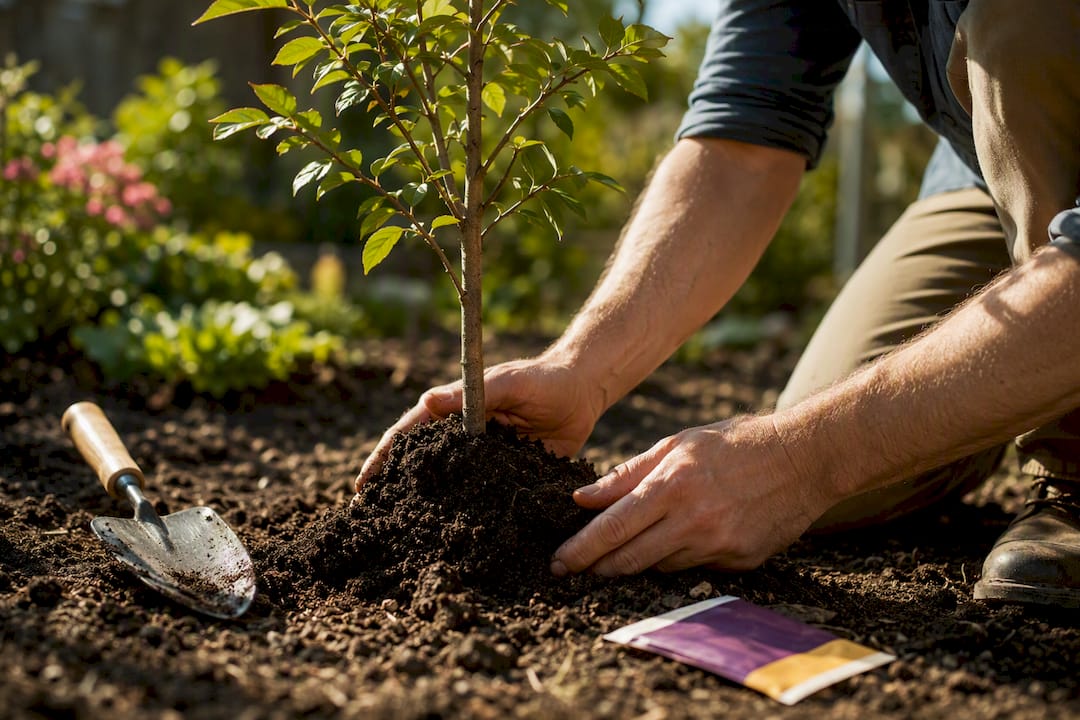
6. Tree planting or memorial garden. Check local park or homeowners' association rules first, and pick a species suited to your climate. Small ceremonies where each guest adds a handful of soil or a seed turn planting into a participatory ritual rather than a solo task. Fits families who want something that grows for decades. Pitfall: choosing a tree that struggles in your zone, which turns a living memorial into a dead one within a year.
7. Bench, plaque, or memorial stone. A dedicated bench in a park or garden gives people a place to sit and remember. Requires permission from the property owner or municipality, and lead times can run months. Fits outdoor lovers and community figures. Pitfall: skipping the permit process and discovering the bench isn't allowed to stay.
8. Donation, scholarship, or legacy fund. Naming a scholarship or funding a cause the person cared about is a higher effort option best suited to families wanting a long-term public legacy. Works well when the person had a clear passion, like literacy, animal rescue, or a specific illness. Pitfall: picking a cause with no real connection to them just because it's popular.
9. Keepsake jewelry, quilts, or blankets. Jewelry holding a fingerprint or a small amount of ash fits close family. Quilts made from a loved one's shirts fit children especially well. Budget from a modest amount for simple pieces to a higher cost for custom work. Pitfall: rushing the order before checking the vendor's actual turnaround time.
10. Memorial website or hashtag. A simple page or shared hashtag lets scattered friends post memories and photos over time, functioning as a living archive rather than a one-day event. Fits geographically spread communities. Pitfall: no plan for who maintains it after the first month, so it goes quiet.
11. Annual remembrance ritual. Cooking their signature dish every year on their birthday, or gathering at a favorite spot on the anniversary of their passing, keeps the tribute alive without requiring a big event. Fits close family and small circles. Pitfall: treating it as one-and-done instead of building it into a recurring habit.
12. Themed celebration of life. If they loved fishing, hosting a casual gathering at the lake with their favorite gear on display feels truer to them than a somber chapel service. Fits personalities that were more playful than formal. Pitfall: leaning so hard into the theme that grieving guests feel like they're at a party instead of a memorial.
A few safety notes worth flagging: releasing balloons or lanterns is restricted or banned in many municipalities and parks due to fire and wildlife risk, and scattering ashes on public land or water often requires a permit. Check local rules before you plan around either.
How Do You Choose the Right Memorial Tribute?
Start with three questions before you touch a guest list or a budget.
Who is this tribute for? A tribute for the person who died and a tribute for the people left behind aren't always the same thing. A quiet, private ritual might honor the deceased's wishes, while a larger gathering might be what the grieving family actually needs to process the loss together.
What form fits their personality and community? Someone who hated attention probably wouldn't want a big open-mic event. Someone with a huge, scattered friend group might be better served by a memorial website than a single in-person gathering everyone has to travel for.
What can you actually sustain? A scholarship fund sounds beautiful in the moment and then becomes a burden if nobody has the bandwidth to administer it for years. Match the commitment to your real capacity, not your grief-fueled ambition in week one.
Run through this checklist before locking anything in:
- Timeline: Decide if the tribute happens immediately (within days, tied to the funeral) or later (weeks or months out, when things have quieted down).
- Cost and effort band: A memory table costs almost nothing and takes an afternoon; a bench or scholarship fund can take months and real money.
- Permissions: Confirm venue, park, or HOA rules before planning a tree planting, bench, or ash scattering.
- Vendor cues: Ask any vendor (florist, keepsake maker, videographer) for a sample of past work and a firm delivery date in writing, not a verbal estimate.
Pro Tip: Pick one tribute to execute well rather than five to execute halfway. A single memory table done thoughtfully beats a slideshow, a jar, and a scholarship fund all rushed together in 48 hours.
Red flags worth asking about upfront: a vendor who won't commit to a delivery date, a venue that changes its rules after you've booked, or a "custom" product that turns out to be a template with a name swapped in.
A Sample Running Order for a Memorial Gathering
A 2 to 3 hour celebration of life generally follows a shape that keeps the emotional weight manageable for guests and family alike.
- Arrival and mingling (30 minutes): Guests view the memory table, sign a guest book, and settle in.
- Welcome and opening remarks (10 minutes): A close family member or officiant sets the tone.
- Eulogy or main tribute (10 to 15 minutes): The primary speaker delivers the structured eulogy.
- Open remembrance (20 to 30 minutes): Additional guests share short memories.
- Video or slideshow tribute (5 minutes): Played once emotions have settled, not at the very start.
- Music or reading (5 to 10 minutes): A song or poem that meant something to the person.
- Closing remarks and next steps (10 minutes): Mention donation info or upcoming gatherings.
- Reception (remaining time): Food, conversation, and time with the memory table.
For a shorter memorial, cut the open remembrance to two or three pre-selected speakers and skip the reception. For a small home gathering, drop the formal program entirely and let the memory table and a playlist carry the atmosphere.
Tech checklist:
- Laptop or tablet loaded with the slideshow, tested beforehand on the actual display
- Projector or TV with the right cable or adapter (bring both HDMI and a backup)
- Bluetooth speaker for music and a wired microphone for speakers if the room seats more than 30
- A livestream link (Zoom or a simple Facebook Live) set up and tested 30 minutes before start
Program essentials to print or display: the person's name and dates, a short bio, the speaker lineup, the music selections, acknowledgments for anyone who helped organize, and donation information if applicable.
Words and Prompts That Make a Tribute Feel Like Them
Generic sympathy language falls flat because it could describe anyone. Specificity is what makes a tribute land, and you don't need to be a writer to get there. Use these five prompts to pull real detail out of family and friends before you draft anything:
- What was a phrase they said constantly, and how did they say it?
- What small daily habit will you miss noticing?
- What place did they light up in, and why?
- What song, if it played right now, would make the room go silent?
- What recipe or dish do you associate with them?
For a short tribute or toast, a four-sentence structure works: name a specific memory, say what it revealed about them, name what they gave to the people around them, and close with a single image or wish. The NFDA's data on rising demand for personalization reflects exactly this shift: families want the specific over the generic, even in a four-sentence toast.
Music deserves the same specificity. Pick a song they actually played on repeat, not one that "feels appropriate" for a funeral. A custom memorial song built around their name, a nickname, or a favorite phrase can work as an opener, a slideshow soundtrack, or a private keepsake played only for family, giving the tribute a piece of music that exists nowhere else.
Including Remote Guests, Kids, and Different Grief Styles
Distance shouldn't mean someone gets left out of a tribute they care about. Organizing a simple hybrid setup is more manageable than most people expect: a smartphone propped on a tripod for livestreaming, a laptop running the slideshow, and a basic Bluetooth speaker cover most home gatherings. Zoom or Facebook Live both handle the streaming side without extra cost.
For contributions instead of just viewing, ask distant friends and family to record a 30 to 60 second video clip on their phone answering one prompt, like "share a memory in one sentence." Stitch the clips into the main slideshow so remote voices are part of the room, not just watching it.
Low-barrier participation ideas that work across ages and comfort levels:
- Memory cards or a memory jar for people who won't speak in front of a group
- A simple coloring or drawing station for kids, with a prompt like "draw your favorite memory"
- Recorded legacy interviews with older relatives, done ahead of time if health allows
- A quiet room set aside for anyone who needs to step away from the main gathering
If you're streaming, add closed captions where the platform allows it and give a brief content warning before showing a slideshow with hospital or hospice photos. Grief doesn't move at one speed, and a tribute that only works for extroverted talkers leaves quieter people with nowhere to put their feelings.
Keepsakes and Gifts That Last Beyond the Funeral
Physical keepsakes matter most when they're chosen for the specific person receiving them, not the deceased in the abstract. Jewelry holding a small engraving or fingerprint suits close family who want something worn daily, typically running $40 to $200. A garden bench or memorial stone fits someone who loved being outdoors, though budgets swing widely depending on materials and installation. Quilts stitched from a loved one's clothing work especially well for children, giving them something to hold that still smells and feels familiar.
Timing changes how much a gift means. Grief support and casseroles show up in the first two weeks and then taper off sharply, which means a gift arriving on the six-month anniversary or the person's birthday often lands harder than one arriving during the initial flood of condolences. A quilt or a custom family song presented at the one-year mark can feel like being remembered rather than just processed.
- Jewelry or engraved keepsakes: best for immediate family, $40 to $200
- Garden bench or memorial stone: best for outdoor lovers, requires permits, higher cost and longer lead time
- Custom quilt or blanket: best for children and close family, several weeks of lead time
- Donation-linked keepsake (a card noting a gift made in their name): best when the person cared deeply about a specific cause
Pro Tip: Ask any keepsake vendor for their actual current turnaround time in writing before you order, not their advertised average. Busy seasons like the holidays can double normal wait times.
Cultural and Religious Traditions Worth Knowing
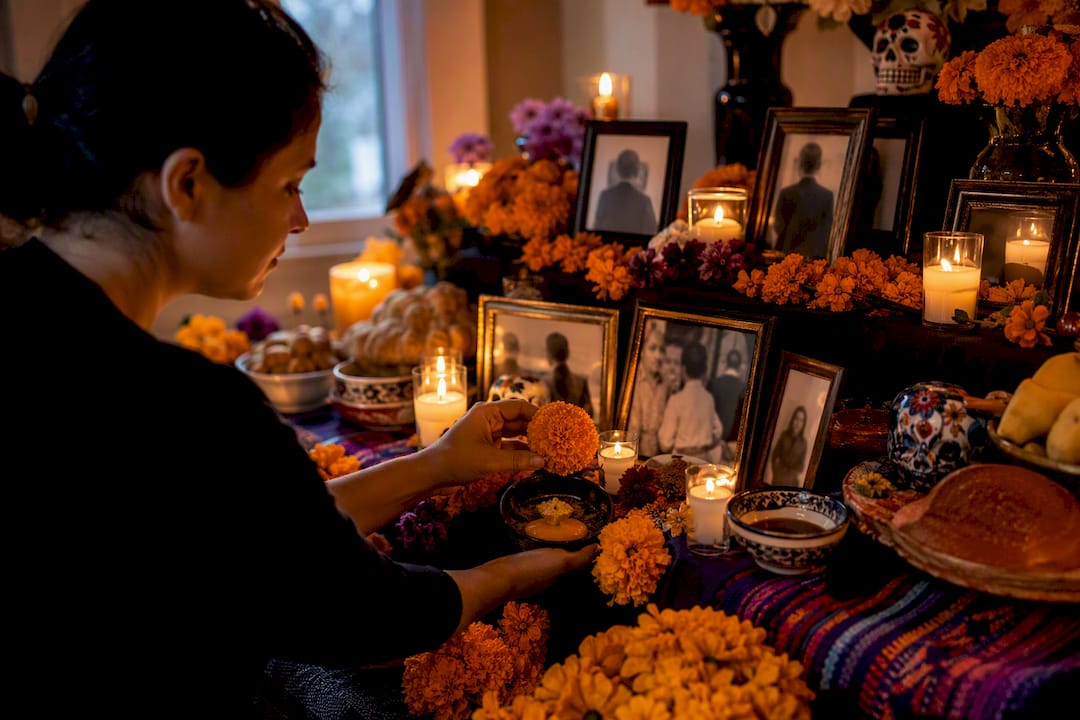
Memorial customs vary enormously, and borrowing the right elements respectfully starts with understanding what they mean, not just how they look. Jewish tradition observes shiva, a seven-day mourning period where visitors bring food and sit with the family rather than offering flowers. Irish wakes traditionally combine grief with storytelling and shared meals, treating laughter and tears as equally welcome in the same room. Mexican Día de los Muertos builds an ofrenda, an altar with photos, favorite foods, and marigolds, inviting the dead back for a visit rather than mourning their absence.
Buddhist memorial services often include chanting and a 49-day mourning period tied to beliefs about the soul's transition. Hindu traditions frequently involve cremation within 24 hours and a mourning period that can extend to 13 days, with specific rituals performed by family members. Many African and African American traditions incorporate a "homegoing" celebration that leans toward joyful music and testimony, framing death as a return rather than only a loss.
If you're blending traditions, or honoring someone from a different faith than your own, ask a family elder or a religious leader from that tradition what's appropriate before improvising. A well-meaning gesture that skips the actual meaning behind a ritual can land as hollow instead of respectful. The goal isn't authenticity for its own sake. It's making sure the tribute actually reflects who the person was and what their community holds sacred.
Choosing Music, Poems, and Readings That Fit
The right song or poem does more work in three minutes than most speeches manage in ten. Skip the funeral standards unless they actually meant something to the person, and ask family members what song they hummed in the car, played at their wedding, or requested at every karaoke night. That specificity is what separates a reading that feels borrowed from one that feels true.
For readings, mix formats rather than defaulting to a single poem read once. A short passage from a favorite book, a letter they once wrote, or even a text message with a distinctive turn of phrase can work as a reading if it's introduced with context. Poetry doesn't have to be classical. Something contemporary, or even a verse the deceased wrote themselves, often resonates harder with a room full of people who knew them personally rather than academically.
Placement matters as much as selection. Open with something gentle to settle the room, save the most emotionally direct piece for the middle when attention is highest, and close with something that points slightly forward, a line about legacy or continuation rather than pure loss. If multiple family members want to include different songs, consider spacing them across the slideshow, the arrival period, and the closing rather than stacking them all at once. A single well-placed song does more than three competing for the same moment.
Sharing and Preserving Memories Online
Social media has become the default place people first learn about a loss and the first place they go to grieve publicly. A dedicated memorial Facebook group or a shared Instagram hashtag gives scattered friends a single place to post photos, memories, and messages instead of scattering them across dozens of individual posts that the family may never see.
Setting one up takes minutes: create a private group, add a clear description of the person and the purpose, and pin a post asking people to share a photo with a short memory attached. Encourage specific prompts rather than open-ended posting, since "share your favorite memory" tends to produce more thoughtful entries than a blank invitation to comment.
For longer-term preservation, a dedicated memorial website or a shared photo album (Google Photos and Apple Shared Albums both work well) holds up better than a social feed that gets buried under algorithm changes. Some families also compile the best posts and comments into a printed or digital memory book a year later, turning scattered online tributes into something that can sit on a shelf. The goal is the same whether it's a hashtag or a formal site: give people an easy, low-pressure way to add their piece of the person's story before those memories fade.
What I've Learned Watching Families Plan These
The tribute I remember most wasn't elaborate. A family set out a single card table with their father's fishing tackle box, a coffee mug that said something crude about early mornings, and a stack of index cards asking guests to write down "a story he told more than once." That was it. No slideshow, no bench, no scholarship fund. By the end of the afternoon, the cards filled two shoeboxes, and the family read them together weeks later when the house finally felt quiet.
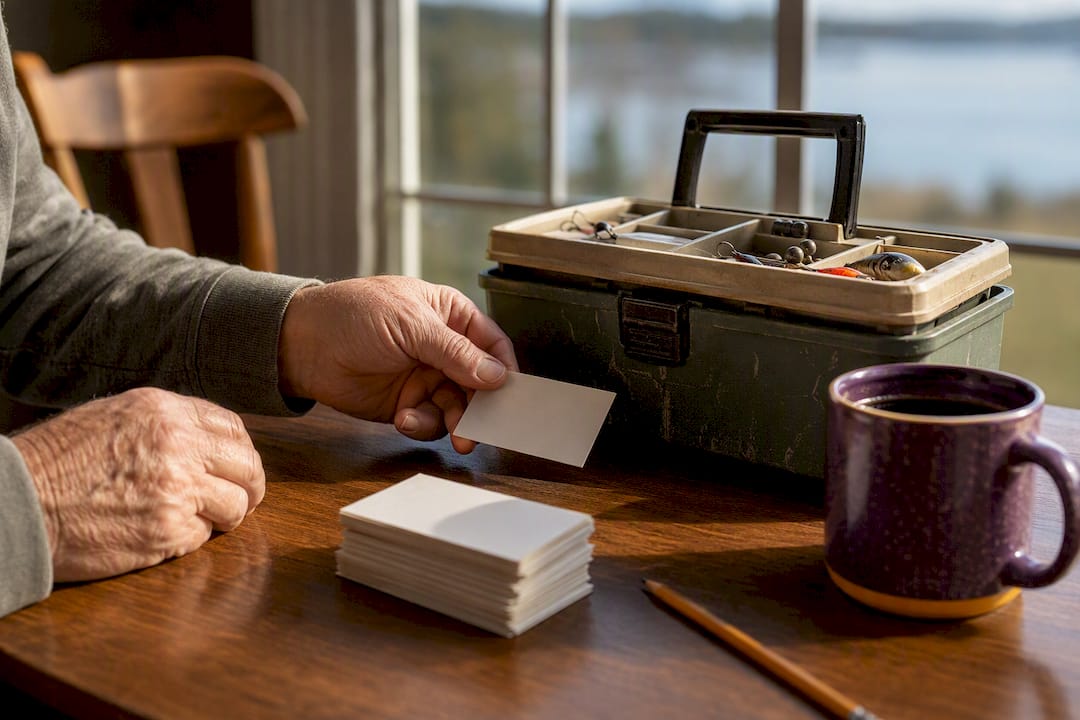
What made it work wasn't scale. It was specificity. A generic "in loving memory" display says nothing about who someone actually was, while a tackle box and a mug said everything in about four seconds. That's the pattern worth remembering when you're deciding between a big event and a small gesture: the size of the tribute matters far less than whether it actually sounds and feels like the person you lost.
[Author bio and credentials for Vlad to be added here.]
— Vlad
Giving a Custom Song as a Memorial Tribute
A custom memorial song solves a specific problem the ideas above don't: what to play when no existing song quite captures the person. Dearsong writes an original song from the stories, nicknames, and details you provide, so instead of picking someone else's music to represent your loved one, you get a piece written specifically around them.

The service offers packages that include one or two original songs delivered as an MP3 and private YouTube link within 12 to 24 hours of submitting your brief, with options for lyric rewrites and printable gift posters. Families use these songs during the service itself, as the soundtrack for a photo slideshow, printed on a poster near a memory table or bench with the QR code for guests to scan, or simply kept as a private keepsake played on hard anniversaries. If you're weighing it against a video tribute or a keepsake gift, a memorial song fills the gap those formats leave: something to listen to, not just look at. Review a few examples and start your brief on the custom memorial song page.
Sources
The personalization trend referenced throughout this article comes from the NFDA's research on families seeking more personalized end-of-life options. For broader planning templates and a wider menu of ideas, Tribute's 50+ ways to honor a loved one and Honored Words' memorial tribute idea list are both worth a closer read. For legacy giving and scholarship program examples, Infinite Legacy's 15 creative and meaningful ways to honor a loved one offers real donor-family case examples.
- NFDA study finds families seek more personalized, transparent end-of-life options (via National Law Review)
- How to Honor the Memory of a Loved One: 50+ Ways (Tribute)
- 15 creative and meaningful ways you can honor a loved one (Infinite Legacy)
FAQ
What are some unique tribute ideas?
Beyond the standard eulogy, consider a memory jar filled with written recollections, a themed celebration around the person's favorite hobby, an annual ritual like cooking their signature dish, or a custom memorial song built from their own stories and nicknames.
What are examples of tributes?
Common examples include a spoken eulogy, a photo or video slideshow, a memory table with keepsakes and a guest book, a planted tree or memorial garden, a named scholarship or donation, and a durable keepsake like engraved jewelry.
What is the best remembrance message?
There's no single best message, but the strongest ones name a specific memory or trait rather than using generic phrases, following a short structure: one vivid detail, what it revealed about them, and what they gave to the people who loved them.
What is a good tribute to say to someone who has passed away?
A good tribute names one specific, true detail about the person rather than a broad compliment, such as recalling a phrase they always said or a habit only their close circle would recognize, then closing with what that memory still gives you now.